Blog

30 years of NSI Gold

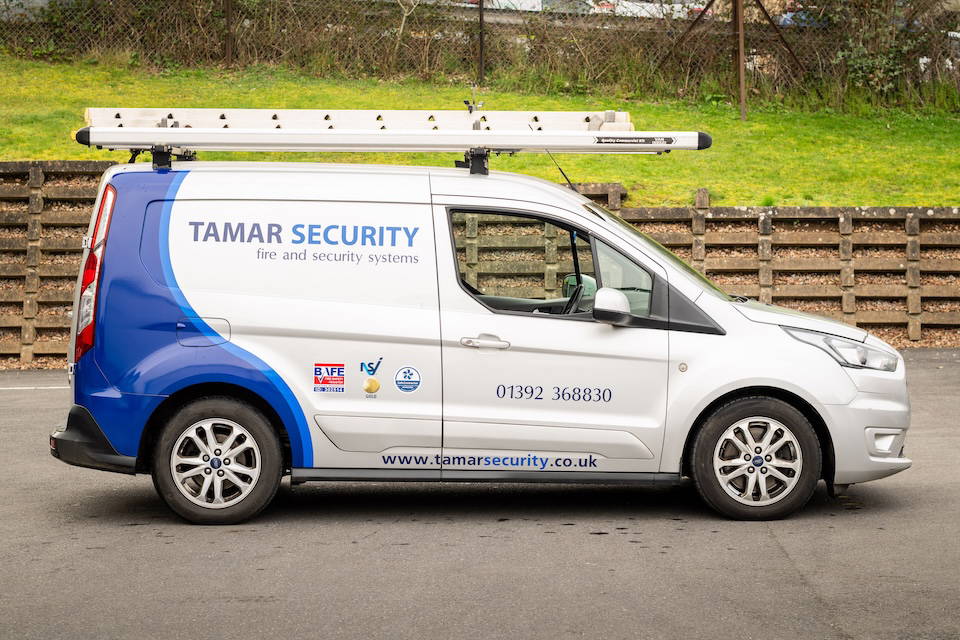
Recently, Tamar Security completed and passed the final audit of our latest three-year certification programme, maintaining our NSI Gold (NACOSS) and BAFE (FIRE GOLD) accreditations for another three years.

These latest accreditations are an important milestone. We've held NSI Gold (NACOSS) approval for our security installations since 1996, which makes this our 30th year! And, we've held BAFE (FIRE GOLD) approval since 2020.

What NSI Gold and BAFE Gold actually mean

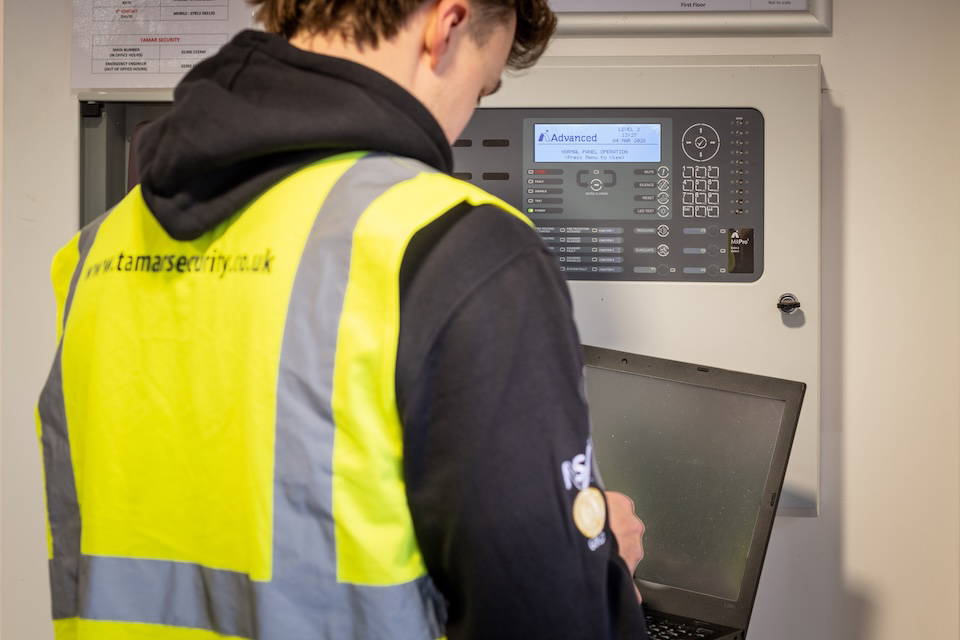
Accreditations like these aren't a one-off exercise. NSI Gold and BAFE both require regular, independent audits of our installations, processes and the training and competence of our engineers. To maintain Gold status, a company must consistently meet the highest industry standards, year after year, audit after audit.

NACOSS Gold covers security installations, including intruder alarms, CCTV and access control. FIRE GOLD covers fire safety systems, including fire alarms and detection.

Holding both gives you reassurance that, whatever combination of fire and security systems you need, our work will be carried out and maintained to nationally recognised standards, with checks by an independent body.

Why 30 years matter

A lot has changed in the security industry over the last three decades. Technology has moved from analogue systems to fully digital and IP-based signalling. Standards have been reviewed and updated. The threats to businesses and homeowners have changed.

Yet what hasn't changed is the requirement to keep passing the audit. Every three years, the process starts again, so we're continually keeping up with the standards. Thirty consecutive years of NSI Gold means thirty years of meeting that high bar, without a gap.

What this means if you're choosing a fire or security provider

 If you're comparing providers for a new installation or looking to bring an existing system's maintenance up to date, accreditation is one of the more reliable ways to assess a company's standards. Fire and security aren't something you can afford to get wrong. Accreditation shows that an independent body has inspected and endorsed the company's work, giving you confidence that you’ll be dealing with a reputable provider.

At Tamar Security, our NSI Gold and BAFE approvals cover intruder alarms, CCTV, access control, fire alarms and emergency lighting. Whether you need a new system designed from scratch or an existing one properly serviced and certified, our accreditation applies.

If you'd like to talk to us about a new installation or bringing your current system's maintenance up to date, get in touch for a free, no-obligation survey and quotation.

Security checklist for new business premises

Moving into new business premises is an exciting milestone, but amid fitting out, ordering equipment and getting operational, security can easily slip down the priority list. Planning and installing security from the start is far easier and more effective than retrofitting systems later. Here's a security checklist of the key areas to consider.

Intruder alarms

A professionally installed intruder alarm is the foundation of any business security setup. A well-designed system will cover all entry points and vulnerable areas. Upgrading to a monitored alarm ensures that, if it triggers out of hours, a response will be initiated even when no one is on site. Make sure any system you install meets your business insurer's requirements.

CCTV

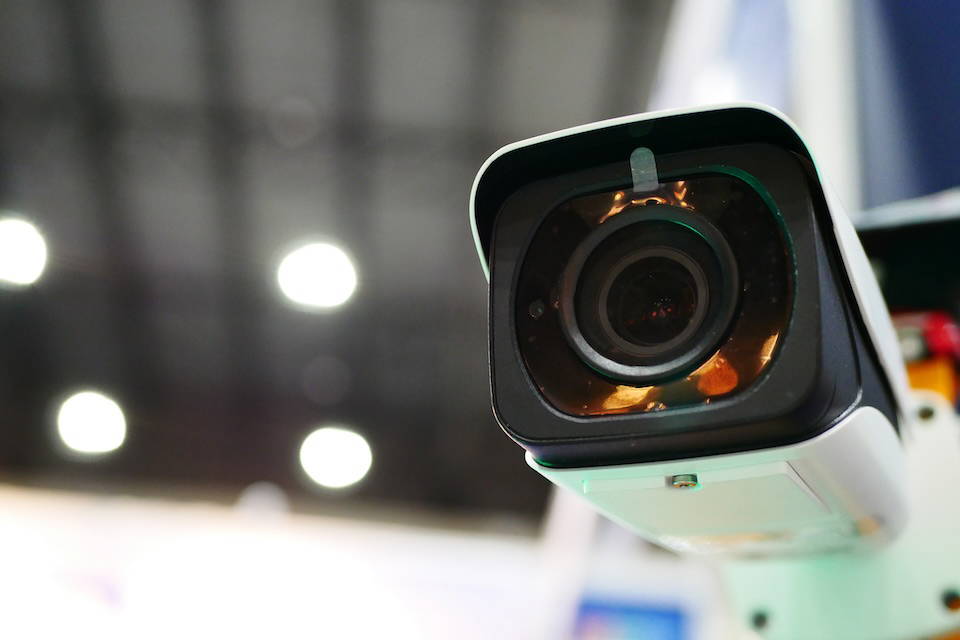
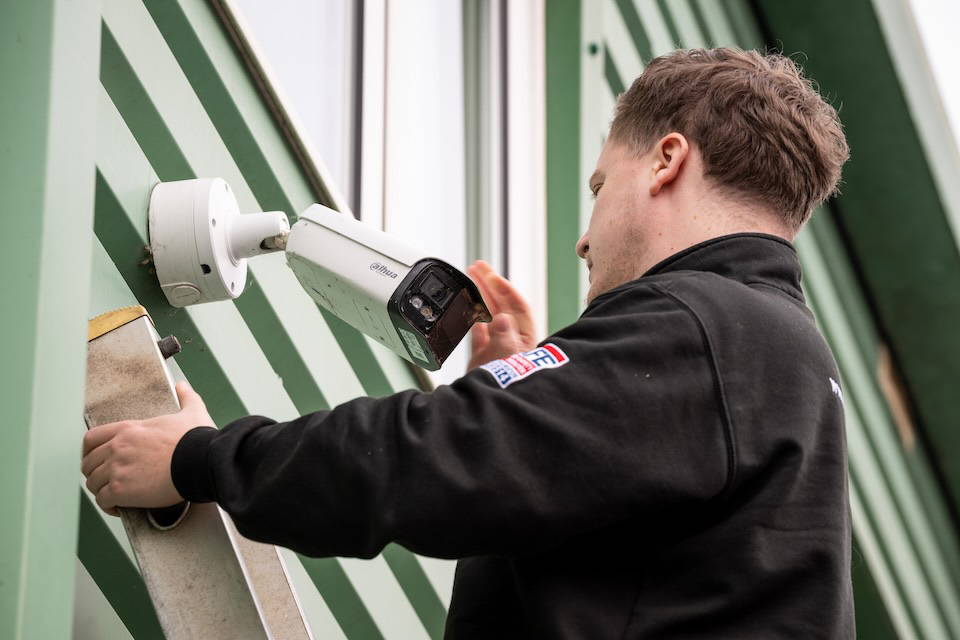
CCTV serves two purposes: deterrence and evidence. Visible cameras deter opportunistic thieves and unauthorised access, while high-quality footage can be invaluable if an incident occurs. For new premises, it's essential to plan camera placement carefully to ensure coverage of entry and exit points, car parks, reception areas, and any higher-risk zones such as stock rooms or server rooms.

Access control

For many businesses, traditional keys are inefficient and pose a significant security risk. Access control systems let you manage and restrict entry by individual, time of day, or area, and instantly revoke access when a member of staff leaves. For premises with multiple entrances or sensitive areas, this level of control is well worth considering from day one.

Fire detection and emergency lighting

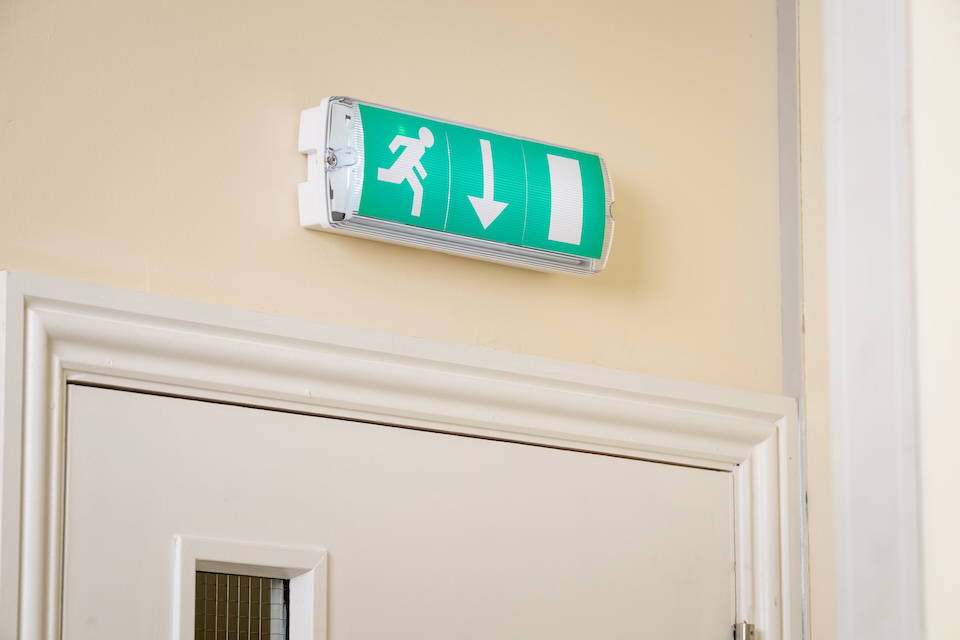
Fire safety is a legal requirement for business premises, not an optional extra. A properly designed fire alarm system, installed to British Standard BS 5839, is essential, as is emergency lighting to ensure safe evacuation during a power failure. These are not areas where you can cut corners.

A comprehensive setup

The most effective security setups are those in which systems work together. An intruder alarm integrated with CCTV and access control provides a far more robust solution than a collection of standalone systems that don't communicate with each other.

Start with a free survey

At Tamar Security, we work with businesses across Devon to design and install fully integrated security systems tailored to their premises and operations. As an NSI Gold-accredited installer, you can be confident that every system we install meets the highest industry standards. If you're moving into new premises and want to get your security right from the start, we offer a free, no-obligation survey and quotation. Get in touch today to arrange yours.

What to look for in a commercial CCTV system

Choosing a commercial CCTV system for your business is about more than just putting a few cameras on the wall. Your commercial system is a key element of your overall security, deterring potential incidents before they happen and providing reliable evidence if something goes wrong. So it’s important to get it right. Here's what to consider when choosing the right CCTV setup for your business.

Coverage and camera placement

The first concern with any commercial CCTV system is identifying which areas need monitoring. Entry and exit points, car parks, sales counters, loading bays, storage areas and reception spaces each present different challenges. A system that looks comprehensive on paper can still leave blind spots if it hasn't been tailored to your specific layout and operations. Professional installation should always begin with a thorough survey of your premises.

Image quality

Grainy images of faces and number plates are of little use when it matters most. Modern IP camera systems offer significantly better image quality than older analogue systems, and it's worth investing in resolution that will hold up as evidence if needed. When selecting cameras, lighting conditions, both indoors and outdoors, also need to be taken into account.

Advanced functionality

Today's commercial CCTV systems can do considerably more than simply record footage. Depending on your requirements, features to consider include motion-detection alerts, facial recognition, number-plate recognition, and integration with existing access-control or alarm systems. Remote monitoring via smartphone, tablet or PC is also increasingly standard, allowing you to keep an eye on your premises from anywhere.

Health and safety monitoring

CCTV isn't just about security. For businesses with warehouses, yards or loading bays where forklifts and heavy machinery operate, cameras can play an important role in monitoring high-risk areas and supporting safe working practices. High-quality footage can also help meet insurance requirements and, in some cases, contribute to lower premiums.

Compliance and standards

A commercial CCTV system should meet relevant industry standards, including NCP104, BS 8418 and BS EN 50132-7. Choosing an NSI Gold-accredited installer gives you confidence that your system is compliant, dependable, and installed to a recognised professional standard.

Ongoing maintenance

A system that isn't maintained can't be relied on. Regular servicing ensures that cameras, recording equipment and monitoring connections remain fully operational, minimising downtime and keeping your business protected at all times.

Not sure where to start?

With technology evolving rapidly, selecting the right system can feel overwhelming. At Tamar Security, we offer a free, no-obligation survey to assess your premises, discuss your requirements, and recommend a CCTV solution tailored to your business. Get in touch today to arrange your free consultation or request a quote.

The difference between a fire alarm and a smoke detector

The terms "fire alarm" and "smoke detector" are often used interchangeably, but they're not the same thing. Understanding the difference matters, particularly if you're responsible for a business premises or want to make sure your home has the right level of protection.

What is a smoke detector?

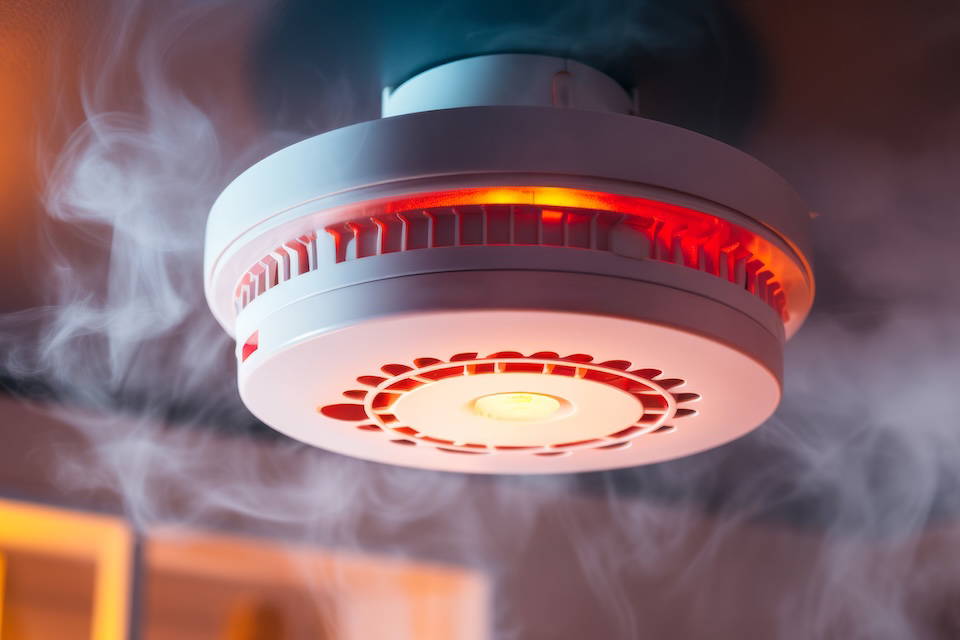
A smoke detector is a single, self-contained device that detects smoke and emits a loud alarm sound to warn anyone nearby. Smoke detectors are suitable for domestic properties and smaller spaces. They're relatively simple, affordable and easy to install. However, they operate independently, so if one goes off in a room where nobody is present, there's no broader notification and no connection to any monitoring service.

What is a fire alarm system?

A fire alarm system is a network of interconnected devices, typically including smoke detectors, heat detectors, manual call points and sounders, all linked to a central control panel. When any device on the network is triggered, the entire system activates, alerting everyone in the building simultaneously. More advanced systems can also be connected to an alarm receiving centre (ARC) that monitors the system. If an alert is triggered, the ARC will be notified and initiate a response, even if the building is empty. A monitored fire alarm is a sensible precaution for all businesses and a legal requirement for some, such as high-risk environments, care homes or hotels.

Which do you need?

For most homes, standalone smoke detectors provide a reasonable level of protection, provided they're installed in the right locations, tested regularly, and have working batteries or are hard-wired. However, larger homes or those with multiple floors may benefit from interlinked smoke alarms, which trigger all units simultaneously. All new builds and any house undergoing building works usually require interlinked smoke detectors to comply with Building regs. For business premises, a standalone smoke detector is unlikely to be sufficient. Almost all business premises in the UK are legally required to have an appropriate fire detection and warning system under the Regulatory Reform (Fire Safety) Order 2005. The fire alarm system must comply with British Standard BS 5839 and be installed by a competent person, ideally a qualified and accredited fire safety specialist.

Don't forget servicing

Whether you have a domestic smoke detector or a commercial fire alarm system, regular testing and servicing are essential. A device that hasn't been maintained properly may fail to activate when it's needed most, which could have serious consequences.

Not sure what your premises need?

At Tamar Security, we design, install and maintain fire alarm systems for businesses across Devon and the surrounding area. If you're unsure whether your current setup meets the required standard, or you'd like to discuss fire safety for a new or existing premises, get in touch for a no-obligation quote.

Spring security check: 7 things to review around your home or business

As the days get longer and the weather improves, we open windows, spend more time outside, and often leave properties unattended for longer periods. It’s a good time to review your security, as opportunistic burglars may look to take advantage of these changes. A few simple checks can help ensure your home or business remains protected as routines shift with the seasons.

1. Check your alarm system is working properly

It sounds obvious, but alarm systems are often forgotten and left unchecked for long periods. Test your system to make sure:
  • Sensors are responding correctly
  • The control panel is functioning
  • Batteries aren’t running low
If you have a monitored system, it’s worth confirming that your alarm is transmitting signals to the monitoring centre, even if it has automated self-testing features.

2. Review your CCTV coverage

Look at your cameras with fresh eyes and ask yourself:
  • Are they still positioned effectively?
  • Are lenses clean and images clear?
  • Have trees or plants grown and started to block views?
Spring growth can quickly reduce visibility without you noticing, so it’s wise to check regularly.

3. Inspect doors, windows, and locks

Fluctuations in temperature and moisture during winter can affect how doors and windows close. Check for:
  • Stiff or misaligned locks
  • Gaps or movement in frames
  • Any signs of wear or damage
Small issues can become easy access points if left unresolved.

4. Refresh your outdoor lighting

Outdoor lighting is among the simplest and most effective deterrents.
  • Replace any failed bulbs
  • Check that motion sensors are working
  • Adjust timers to reflect longer daylight hours
Well-lit properties are much less attractive to opportunistic intruders.

5. Trim back landscaping

Spring is when gardens come back to life, but overgrown plants can create hiding spots.
  • Cut back shrubs near entrances and windows
  • Keep pathways and access points clear and visible.
  • Avoid letting hedges obscure CCTV or lighting
A tidy exterior not only looks better but also improves visibility and security.

6. Review access and permissions (for businesses)

If you run a business, now is a good time to review who has access to your premises.
  • Are there old keyholders or codes still active?
  • Have staff changes been reflected in your system?
  • Are access levels still appropriate?
Keeping your access permissions up to date reduces unnecessary risk.

7. Think about how you use your space in spring and summer

Seasonal changes often mean different routines. Ask yourself:
  • Are doors being left open more frequently?
  • Are outdoor areas being used regularly?
  • Will the property be left empty for holidays?
A simple check now can prevent problems later, and a small adjustment, such as adding a sensor, camera, or timer, can make a significant difference. Security doesn’t always need major changes. Often, it’s simply about ensuring what you already have is working as it should. Taking a little time this spring to review your setup can give you peace of mind for the months to come. If you’d like a professional assessment of your current security, we’re always happy to help. Please call us on 01392 368830 or complete our contact form.

Monitored vs unmonitored intruder alarms: What’s the difference?

Choosing an intruder alarm involves many important decisions, not least whether to opt for a monitored or unmonitored system. Both are designed to protect your property, but they work in very different ways. The right choice depends on how much support and reassurance you want when an alarm is triggered. In this blog post, we break down the differences to help you decide what’s best for your home or business.

What is an unmonitored intruder alarm?

An unmonitored alarm is a standalone system. When it detects a potential break-in, it activates an audible siren and may flash external lights to alert anyone nearby. It doesn’t send a notification to a third party, so it relies on a neighbour or a passer-by hearing it and responding.

Benefits of an unmonitored intruder alarm

  • Acts as a strong visual and audible deterrent
  • Alerts people on-site or nearby
  • Lower upfront and ongoing costs
  • Adequate and straightforward for basic security needs
Unmonitored alarms are best suited to smaller homes, low-risk properties, or locations where someone is usually nearby to hear and respond to the alarm.

What is a monitored intruder alarm?

A monitored alarm works similarly to an unmonitored system but links to a professional alarm-receiving centre (ARC). If the system is triggered by a potential intruder, a trained ARC operator will receive and assess the alert, then follow an agreed response plan. This may include contacting you, a keyholder, or the emergency services. 24/7 monitoring ensures a response even if you’re asleep, away from the property, or unable to respond.

Benefits of a monitored intruder alarm

  • 24/7 professional oversight
  • Faster response times
  • Police or keyholder call-outs where applicable
  • Added reassurance when the property is unattended
Monitored alarms are popular with businesses, larger homes, and anyone seeking maximum peace of mind.

Which alarm option is right for you?

Every situation is unique, so there’s no one-size-fits-all answer. When deciding which option is right for you, consider the following questions:
  • How often is the property empty?
  • Would someone respond quickly if an alarm sounded?
  • Do you want professional backup in an emergency?
  • Is police response or insurance compliance important?
If your home is often empty, you run a business, or you want reassurance that someone will always respond, a monitored system is usually the better choice. If you’re looking for a cost-effective deterrent and are often nearby, an unmonitored alarm may be sufficient.

Insurance and compliance considerations

Many insurers offer lower premiums for monitored alarm systems, particularly for commercial properties. Some may even require monitoring as part of their policy terms. It’s always worth checking your insurance requirements before deciding, as the right alarm could save you money in the long run.

Can you upgrade from unmonitored to monitored?

An existing intruder alarm can often be upgraded to include professional monitoring. An experienced installer can advise whether your current system is suitable and what’s involved.

Summary

The key difference between monitored and unmonitored intruder alarms is who responds when it matters most. Both offer protection, but monitored systems provide an extra layer of support that may also lower insurance premiums. If you’re unsure which option is right for you, we’re always happy to offer straightforward, honest advice. Please call us on 01392 368830 or complete our contact form.

Tamar Security achieves Silver Status with Paxton access control systems

Tamar Security has achieved Silver Partner status with Paxton, the UK’s leading provider of access control and door entry systems. This recognition highlights our team’s commitment to quality, expertise, and trusted installation of Paxton products. Achieving Silver status means we have completed Paxton training, gained hands-on experience, and demonstrated our ability to deliver reliable, professional access control security solutions.

Benefits of access control

Increasingly, businesses are adopting access control systems to enhance on-site security. They allow businesses to:
  • Control who can enter specific areas to protect sensitive data, equipment, and staff.
  • Track and monitor access to provide a clear audit trail in case of incidents.
  • Enhance safety by ensuring only authorised personnel can access high-risk or restricted areas.
  • Integrate with other security systems, such as alarms and CCTV, to ensure a comprehensive approach.
By achieving Silver status, we’re officially certified to design, install, and support Paxton’s access control solutions.

What Paxton Silver Partner means for our customers

Our Silver status gives our business customers confidence that their premises are secure and compliant with industry standards.
  • Expert system design and installation: Silver Partners have been recognised for their competence in designing and installing Paxton10 and Net2 systems, ensuring a high-quality, reliable setup.
  • Trusted installer: The status requires a proven track record of high service standards, giving you confidence and peace of mind in our installations.
  • Ongoing support: Silver status gives us access to Paxton’s resources and technical support, enabling us to deliver the best service and up-to-date solutions.
  • 5-year guarantee: While standard for many Paxton products, a certified installer ensures the 5-year hardware warranty is maintained correctly.
We’re proud to be recognised for our dedication and professionalism. We’re committed to delivering secure, reliable, and innovative security solutions to our community. If you’d like a no-obligation quote to enhance your business security through access control, please get in touch.

Christmas operating hours 2025

As the year draws to a close, we’d like to let our customers know about our festive opening hours. We will be closing for the Christmas break at 5pm on Tuesday, 23rd December, and will reopen at 9am on Friday, 2nd January 2025. During this period, our emergency call-out service will remain available for our contract customers. For urgent assistance, please call 01392 368830. We want to take this opportunity to thank all our customers for their support throughout the year and to wish everyone a very merry Christmas and a happy new year!

Access control vs traditional keys: Which is right for your business?

When it comes to your building’s security, restricting access is fundamental. Whether it’s an office, shop or industrial site, controlling who can enter and when is the first line of defence against theft, vandalism, and unauthorised activity. For most businesses, there are two options to control access: traditional keys or a modern electronic access control system. Both have benefits, but the right solution depends on how your business operates, how many people need access, and the level of security you require. In this blog, we’ll compare both so you can make an informed decision about your building’s security.

Traditional keys

Traditional lock-and-key systems are the simplest and often the cheapest way to secure a door. They’ve been used for decades and remain a popular option for small businesses, single-site premises, and low-risk environments.

Pros

  • Low upfront cost
  • Simple to use
  • No training or system knowledge required
  • Reliable even during power cuts

Cons

  • Keys can be easily lost, stolen or copied
  • Changing locks can be expensive and disruptive
  • No way to track who has entered your building
  • Restricting access to certain areas requires numerous locks and keys
  • Difficult to manage multiple keys across multiple staff members
Traditional keys do the job, but they rely heavily on trust and manual processes, which can quickly become inefficient or insecure as your business grows.

Access control

Access control uses electronic readers, key fobs, cards, or smartphones to control who can enter specific areas. Entry is enabled by swiping a card or other form of scanner at the door. You decide who gets access, when, and to which doors.

Pros

  • Instantly add or remove users
  • Full audit trail showing who entered and when
  • No more changing locks if a key is lost
  • Scales easily as your business grows
  • Can integrate with alarms, CCTV or time/attendance systems
  • Flexible access levels for staff, contractors or visitors

Cons

  • Higher upfront cost
  • Requires power and occasional maintenance
  • Staff may need a short period to get used to the system
For most modern businesses, access control offers greater security, convenience, and control—especially in multi-user or multi-site environments.

Making the right choice for your business

Deciding between traditional keys and an electronic access control system depends on your security requirements, budget, and the size of your operation. As a guide:

Choose traditional keys if:

  • You have a small business with a handful of staff
  • Your premises contain assets of low value
  • You rarely change staff
  • You only need basic door security

Choose access control if:

  • You have regular staff turnover
  • You manage contractors or visitors
  • You want to know who has entered your site
  • You have multiple entry points or buildings
  • You handle valuable stock, data or equipment
  • You want a system that integrates with your wider security setup
Most businesses reach a point where keys are no longer practical. When managing 10+ people or multiple entry points, the cost and hassle of lost keys, key cutting, and lock replacements add up quickly.

How Tamar Security can help

We supply and install a variety of access control solutions throughout the South West, from simple single-door systems to fully networked multi-site setups. We can tailor a system to suit your premises and budget. If you’re considering upgrading from traditional keys, we can conduct a site survey and recommend the best approach for your business. Please get in touch to book a site survey.

Choosing Tamar Security means peace of mind, reliable protection, and expert support.

Our accreditations aren’t just trophies on a wall; they guarantee that every system we install or service meets the highest industry standards and delivers real value to you.
© Tamar Security Ltd 2026. Registered in England & Wales. Registration No. 05455843 | VAT Registration No. GB 857 7423 87